
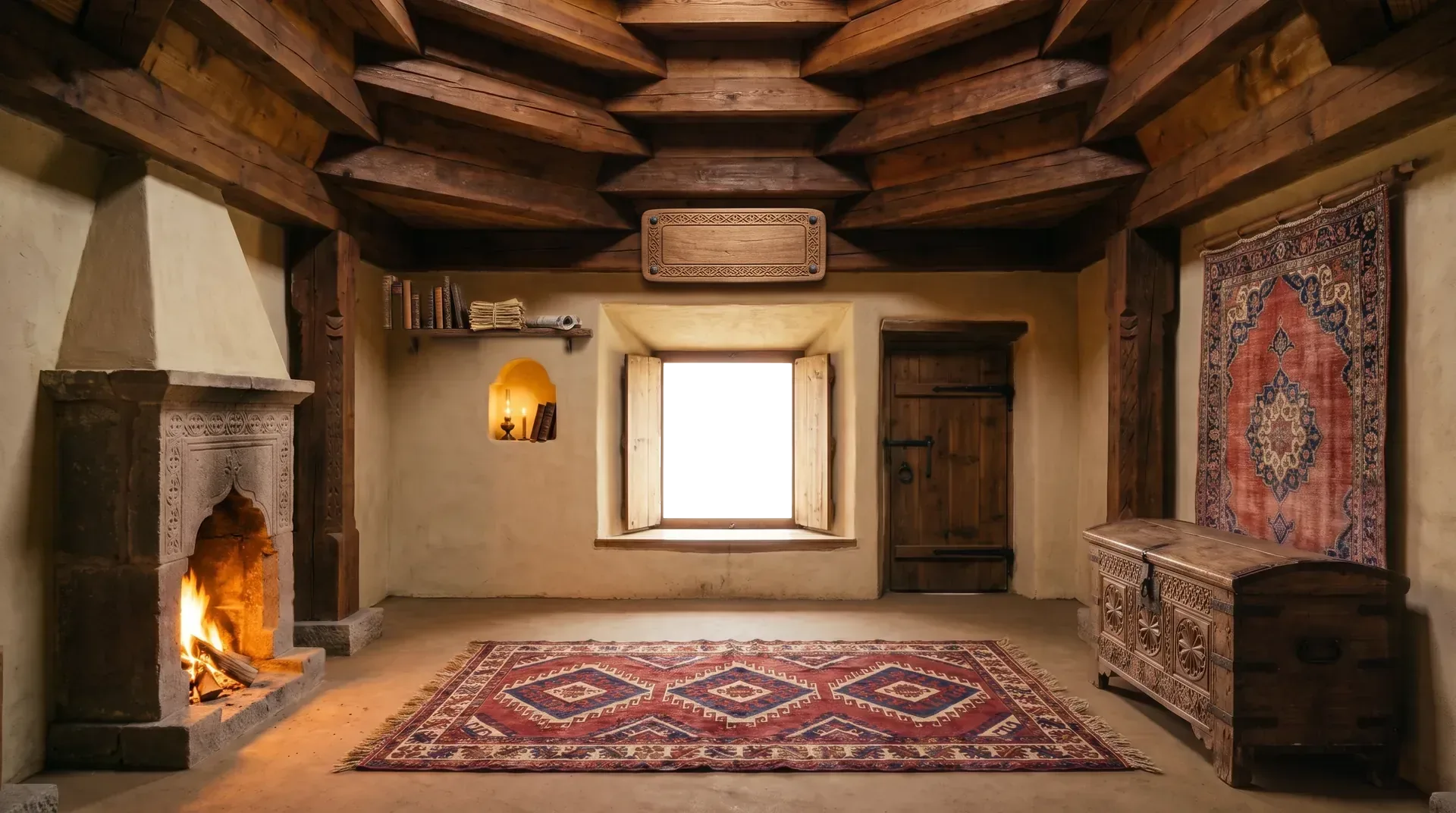
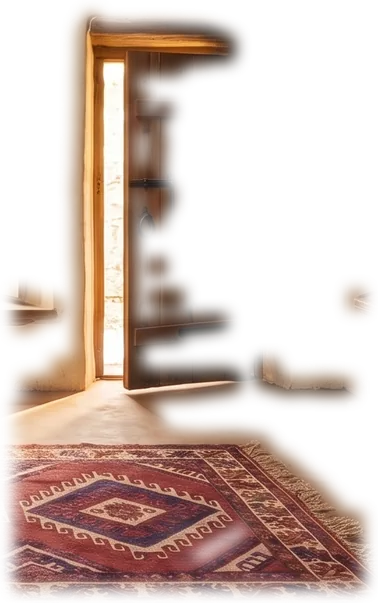
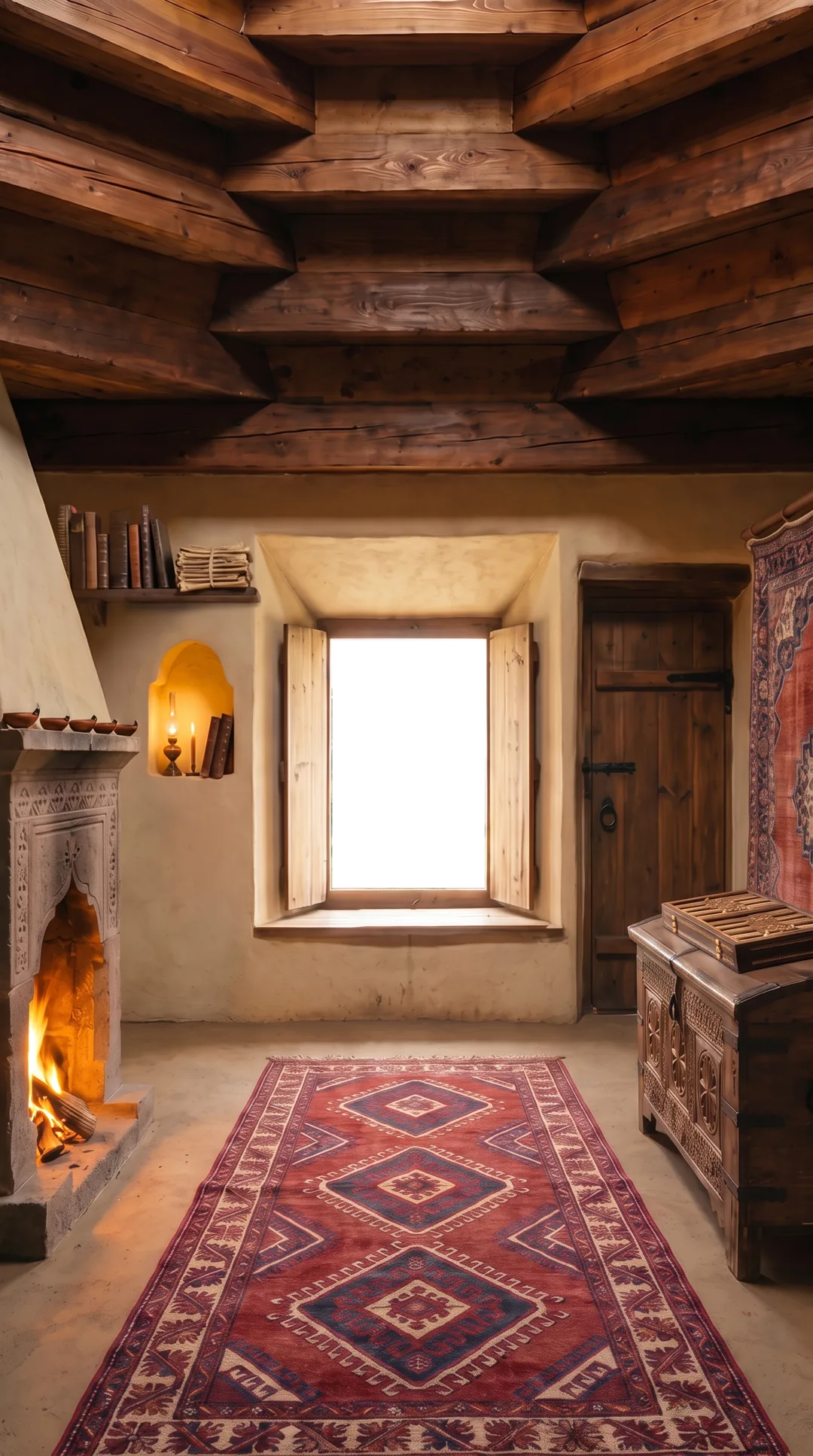
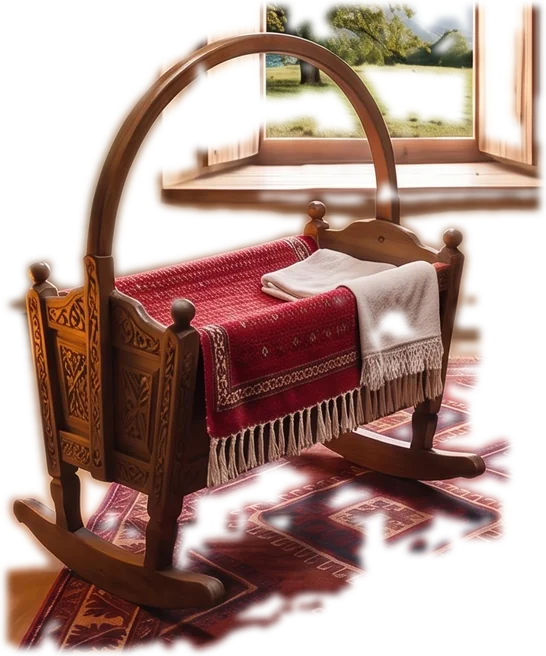
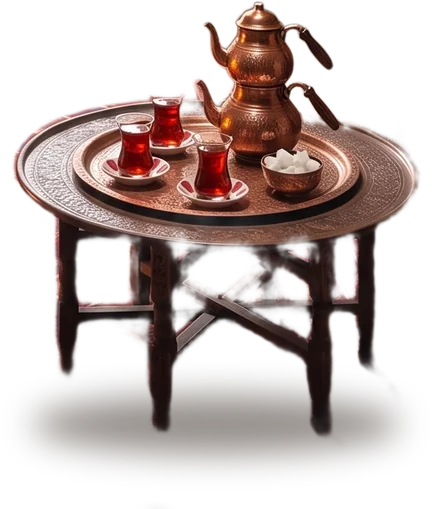
The digital home of the Ahiska peopleWife’s light is on — at home too 9 March — Eid al-Fitr (Ramazan Bayramı)Book of MemoryThis is the misafir’s oda — an example for guests. Yours will be your own.
In the footsteps of our ancestors —
to a living family today.
Family trees, elders' voices, the memory of the villages of Ahiska — and a community where families torn apart in 1944 find each other again.
Hover over an item — each one leads to its own section
Example home
The misafir’s oda
Everything in the room — as a list
Homeland
Ahıska.
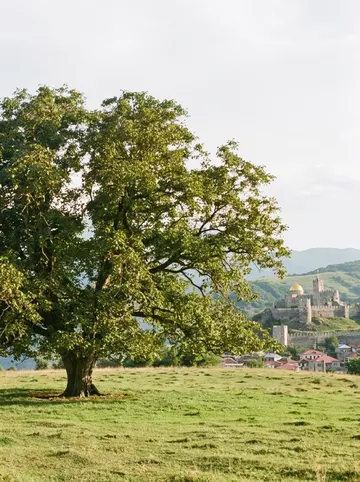
Mountains above the Kura. Until November 1944 our people lived here, in 212 villages.
Two dates, one day
The deportation of the people from 212 villages of Ahıska began — in freight wagons, to Central Asia.
Exactly 45 years later the USSR Supreme Soviet recognised this deportation as illegal and criminal.
Declaration No. 772-I names our people directly — among eight deported peoples. It is not a pardon: the people were guilty of nothing. It is the state admitting its own guilt — and promising it will never happen again.
What it means, and what it did not change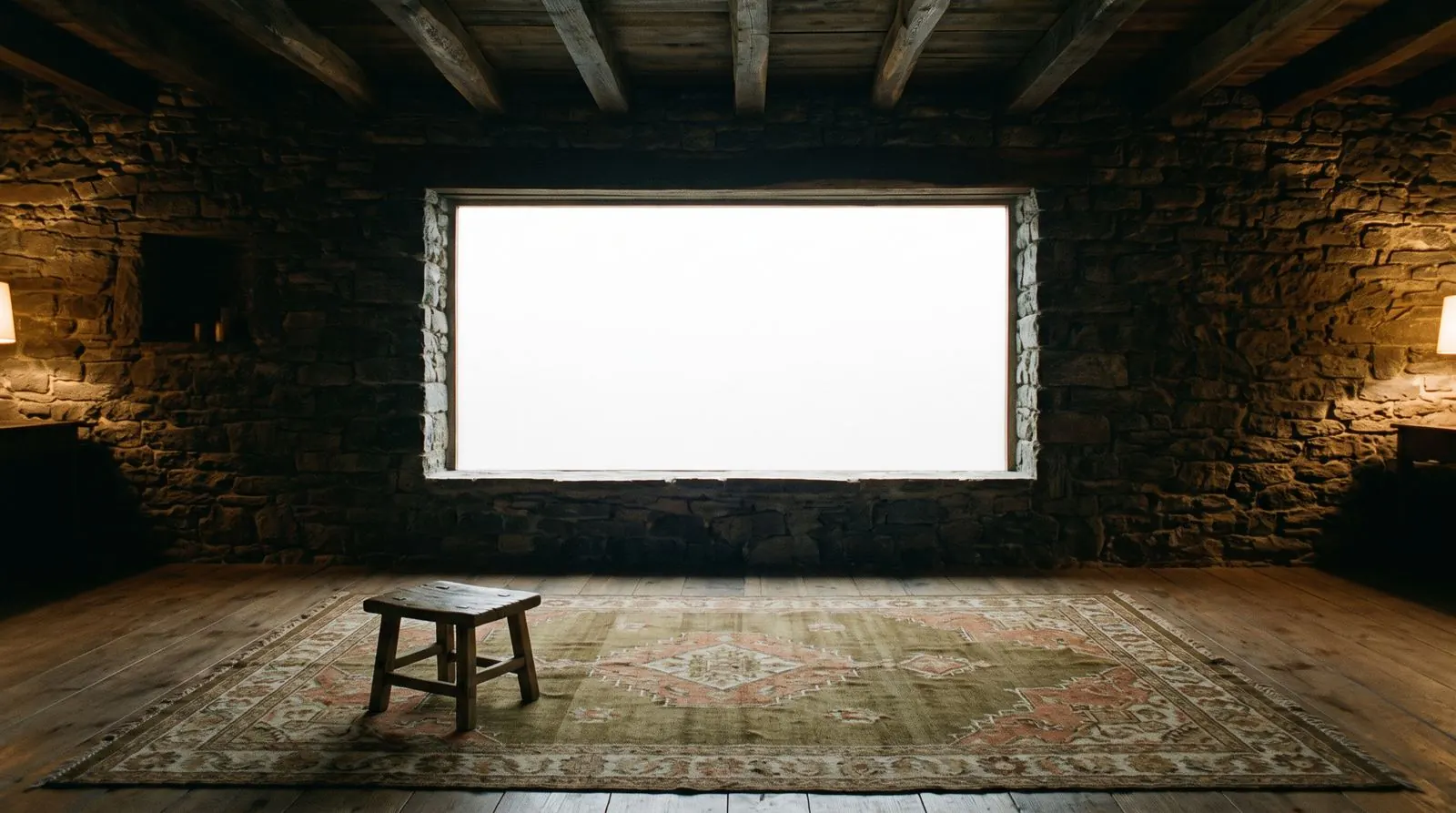
Ahıska · June 2022
A window onto the homeland
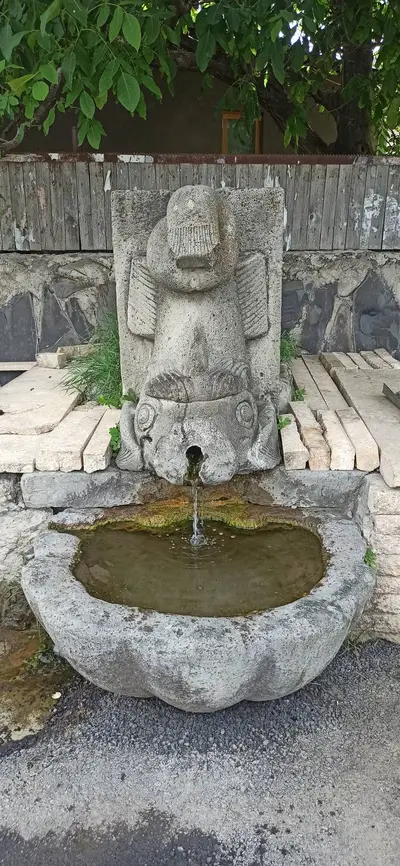
The land remains. This is it now: the road, signs to the villages, a house from inside, a spring, the rails.
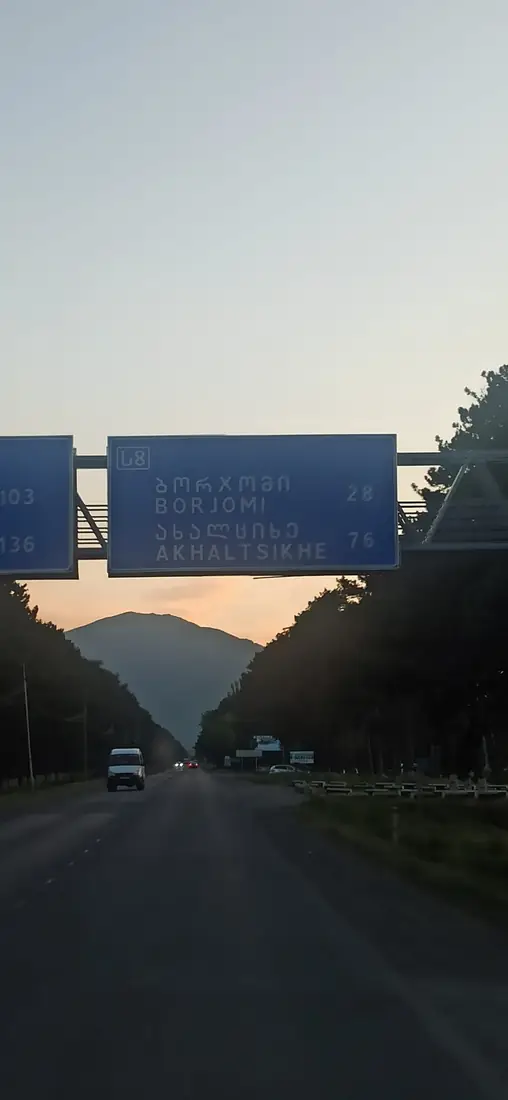
The road to Ahıska
A sign at dawn: 76 kilometres to Ahıska


Ahıska Club TV · the second room of the house
A window that becomes a screen.
First your own home, then the shared cinema. Films by Orpola Studio and everything others have filmed about us — to watch together.
Enter the cinemaAnimated series
Ahıska Hikâyeleri
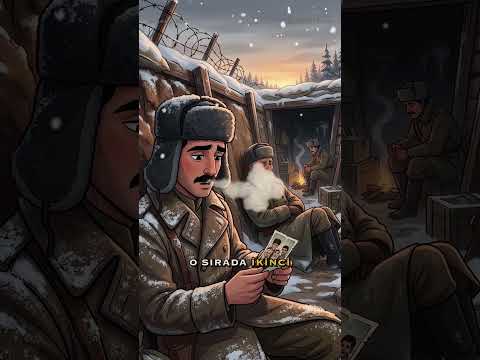
Animated series · short episodes about our people: history, food, customs. In Turkish.
All episodes → Episode 3
 Episode 4
 Episode 5
 Episode 6
 Episode 7
 Episode 8


Open to all — even without signing in
So what makes a person Ahıska?
Thirty-one concepts: what our homeland is called and why, what shajara and nikah are, what the patterns on a kilim say. For those who grew up far away and want to reclaim this — and pass it on to their children.
Open the FoundationsPrivacy
The closer a person, the more they see.
Three circles of trust decide who sees your data and who can write to you. Pick a circle and look at the example oda through its eyes.
- Family villageOrpola
- Family treefamily and circle see it
- Write a letteronly to his circles
- Documents in the chestonly family sees it
- Light in the windowonly family sees it
An example — the misafir’s oda, a sample for guests. A stranger will never learn who is Ahıska or when they are at home.
Oral history
The voice of the elders — while it still sounds.
Stories of pre-war Ahiska, family legends, the native dialect. One big button — even a grandchild sitting next to grandpa can do it.
2voices saved
The Keeper
Historian assistant: villages, traditions, language, kin
The Keeper is a helper, not an archive: it can make mistakes. Verify important family facts with your elders and documents.
Villages hall of fame
Whose descendants search for their roots most
- 1Tsinis10
- 2Zikila3
- 3Azgur2
- 4Klde2
Word of the day
İşmar
“A tree stands by its roots,Words of the house · ahiska.clubProverbs and tales →
and a person by their kin.”
Everything in the house
All the rooms of the house.
The home page tells one story. Everything else stands here quietly.
Kin and memory7 sections

The living word6 sections

Life of the community8 sections
14 November — Day of Remembrance
We remember every village and every family.
In 1944 our people were deported from Ahıska. The task of these days is not to tell, but to do one thing before the 14th.
Of someone who did not survive the road or the first winter. A name and a village are enough — the years may be unknown.
Open the Book of Memory →Record an elder’s voiceSomeone who remembers that night or the stories about it. Five minutes on a phone — and the memory stays in a voice.
Record a voice →Invite your relativesEvery family remembers its own names. The more families in the house, the fuller the book.
How relatives enter the house →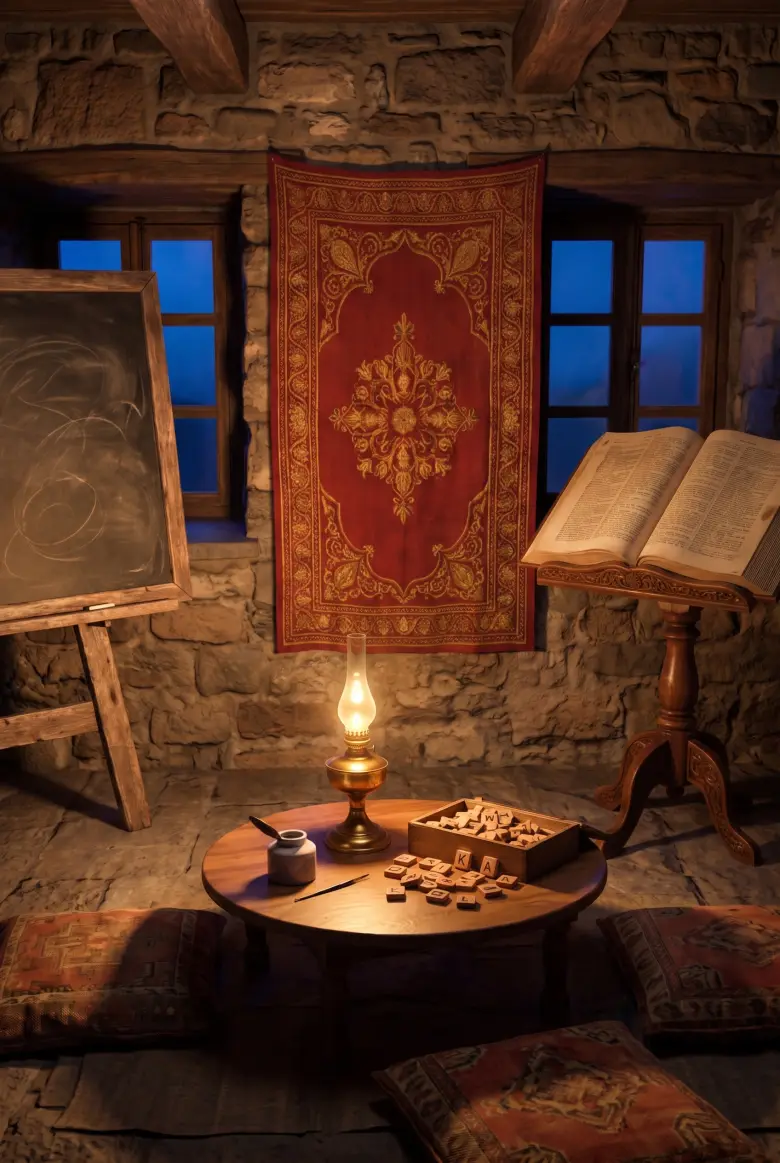
Ahıska Lingo · the language of our house
Words our elders remember.
The Lingo dictionary has 1350 words with pronunciation. Three for today:
- NikorLump on the head
- PuvarWater spring
- ÜtiIron (for clothes)
The house stands on its own people.Support the house →