The name
The Georgian “Akhal-tsikhe” means “new fortress”. Some researchers see “Ahıska” as the Turkic and Persian form of that word. Others link it to “Ak-Sıka” (White Fortress) in the Book of Dede Korkut and to the form “Akesga” in records of the year 481.
7th to 13th centuries
According to the TDV İslâm Ansiklopedisi, in 642, under Caliph Uthman, the land was conquered by the army of Habib ibn Maslama. In 1068 it passed to the Seljuks under Sultan Alp Arslan, and in 1267–1268 to the Mongols.
The atabegs (1268–1578)
For three centuries the land was ruled by local lords with the title of atabeg, who recognised in turn the overlordship of the Ilkhanids, the Kara Koyunlu and the Ak Koyunlu. In the 13th–14th centuries Akhaltsikhe was the capital of their domain, Samtskhe-Saatabago.
The Ottoman land (1578–1829)
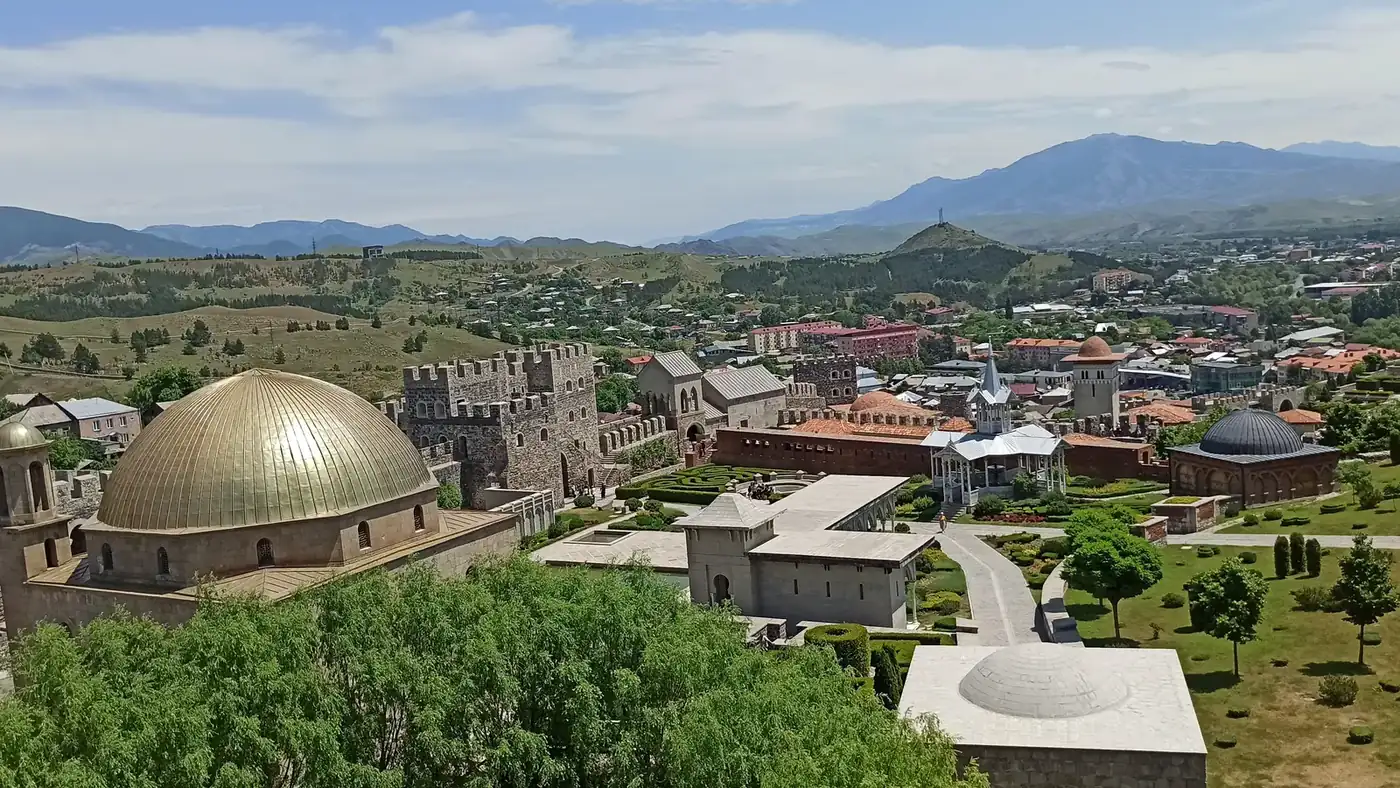
After the Battle of Çıldır in 1578, won by Lala Mustafa Pasha, the land entered the Ottoman state. The last atabeg, Manuchar, converted to Islam as Mustafa Pasha, and Ahıska became the centre of the Çıldır eyalet. In 1752 the ruler Haji Ahmed Pasha Jaqeli built the Ahmediye mosque inside the fortress, modelled on Hagia Sophia. The land remained under Ottoman rule for about 250 years.
1828–1829
In the war of 1828–1829 the city was taken by Russian troops (a separate article on the siege). By the Treaty of Adrianople (Edirne) in 1829 the land passed to Russia, and many inhabitants then left for Erzurum. For the first time a border ran through the people.
1921
By the Treaty of Moscow in 1921 the land became part of the Georgian SSR.