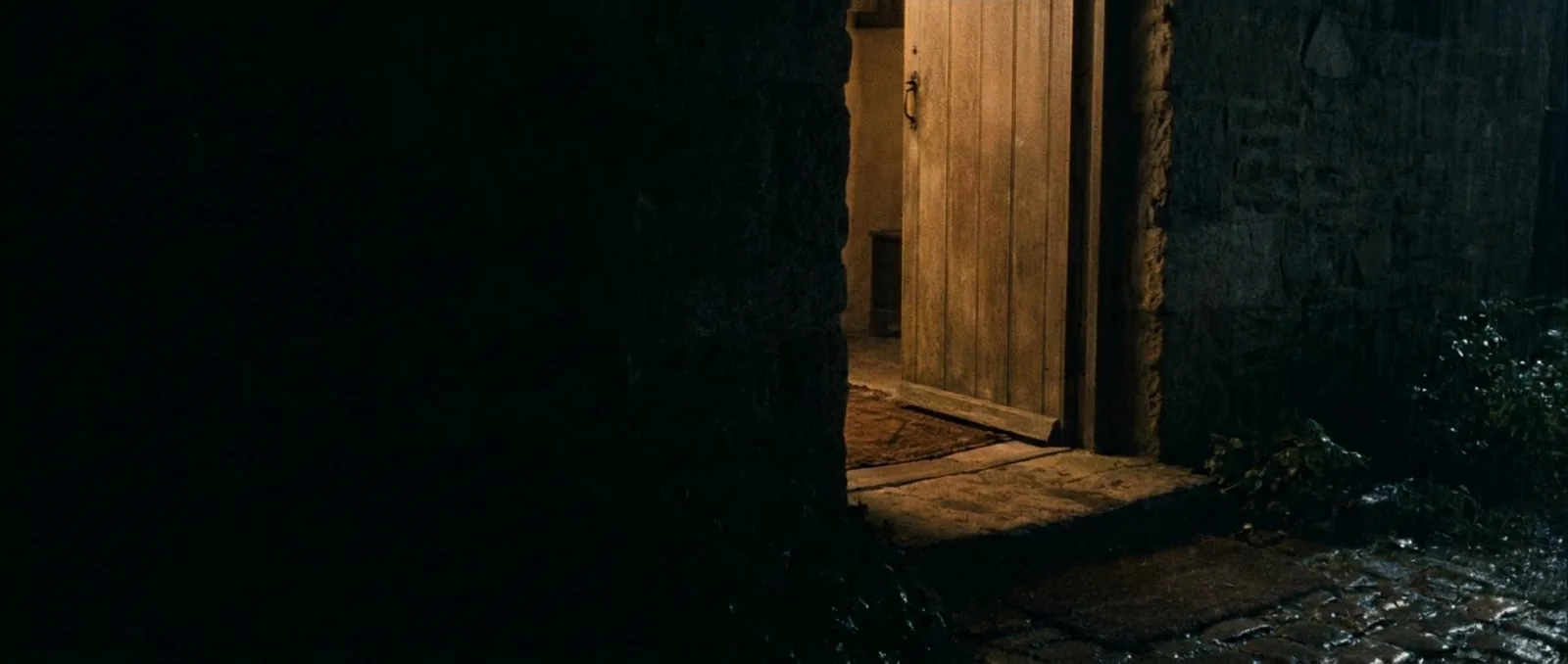
About
A home that cannot be taken away
Family trees, the voices of elders, the language and customs of the Ahıska people — gathered so that none of it depends on a single person.
322
villages in the directory
1944
the year everything is counted from
What this place is
AHISKA.CLUB is the digital home of the Ahıska Turks — the people who in November 1944 were deported from Ahıska, from the villages around Akhaltsikhe, Adigeni, Aspindza, Akhalkalaki and Bogdanovka, and scattered across Central Asia and later dozens of countries.
We do four things. We gather family trees so that torn families find each other again. We record the voices of elders while they can still be recorded. We keep the language — words that are almost no longer heard. And we keep a map of the villages: the directory now holds 322 names.
There is a reason to hurry. Someone who remembers the journey in the wagon is over eighty today. Each year we lose not documents but the only witnesses. That is why recording a voice matters more here than any pretty button.
The core design
Three circles of trust
One principle governs both what a person sees and what they are allowed to write:
Family
The closest circle. Living people, children, disputed records and everything that should not leave the family live here.
My circle
Those you have recognised as your own: relatives by lineage, people from your village, those who vouched for you. Between family and the whole world.
Everyone
The open part: departed ancestors, villages, language, history. What can be shown to the world without risk to a living person.
By default, a record about a living person is visible to family only. Not because we hide things — because a person should decide who sees them.
Why we stay out of politics
This is neither caution nor indifference. It is the memory of how it all happened. A list saying who is Ahıska and where they live already existed once — and people were loaded into wagons by it. We will not make such a list a second time, even with good intentions.
So here there are not, and will not be:
- ·parties, campaigns, calls to action or political disputes;
- ·state flags or any state symbols;
- ·money from state bodies — of any state;
- ·a general list of “who is Ahıska and where they live” — on any page or in any server response.
We are a cultural and historical project, and this is a deliberate shield. The diaspora lives in very different situations in different countries, and no one who opens this site should be put at any risk by it.
For the same reason we say “Ahıska” — that is what the people call themselves. “Meskhetian Turks” comes from other people’s documents; it appears here only where a source cannot be understood without it.
What we never do
We do not keep passports. Kismet requires identity verification — a moderator looks at the document and the file is deleted the same day. No copies remain anywhere.
We do not keep videos. Same rule: looked at, confirmed, deleted.
We do not show children. Minors never enter the open circle automatically — only with parental consent and by hand.
We do not publish faces of the living without consent. Departed ancestors — freely, that is genealogy. A living person — only if they said “yes” themselves.
We do not make things up. We will not record a proverb without a source. We will not put village coordinates on the map that the source does not give: a wrong location is worse than none.
We give no points or badges. Family memory is not a game. There are no points, levels or “you beat 80% of users” here.
We do not compute “compatibility percentages”. Kismet has no “87% match” and never will. No such number exists — there are questions to be answered honestly.
How people get in
A guest can enter any section: knowledge — articles, books, villages, the calendar — is truly open, and where a member has living people, a guest sees the example home of the fictional Mürsel dede. Living people, families and voices are inside only. Registration is by invitation: one code per person, given by someone already here.
On joining, a person agrees to three things: not to carry outside what the family entrusted; not to publish other people’s faces without asking; to remember that a living family stands behind every record. This is not a formality — the consent is stored with its date.
Trust grows here not through a passport but through vouching: our own recognise their own. That is how it has always worked among the people — and that is how it works here.
Who it belongs to
For now the founder carries the project. But a people’s memory must not depend on a single person or corporation — so over time the home passes to a cultural association (dernek) that answers for it together. Data is kept so that it can be taken out and moved: no part of this archive should be locked inside someone else’s service.
The founder’s word
The founder’s address is given in his own words — in Russian and Turkish.
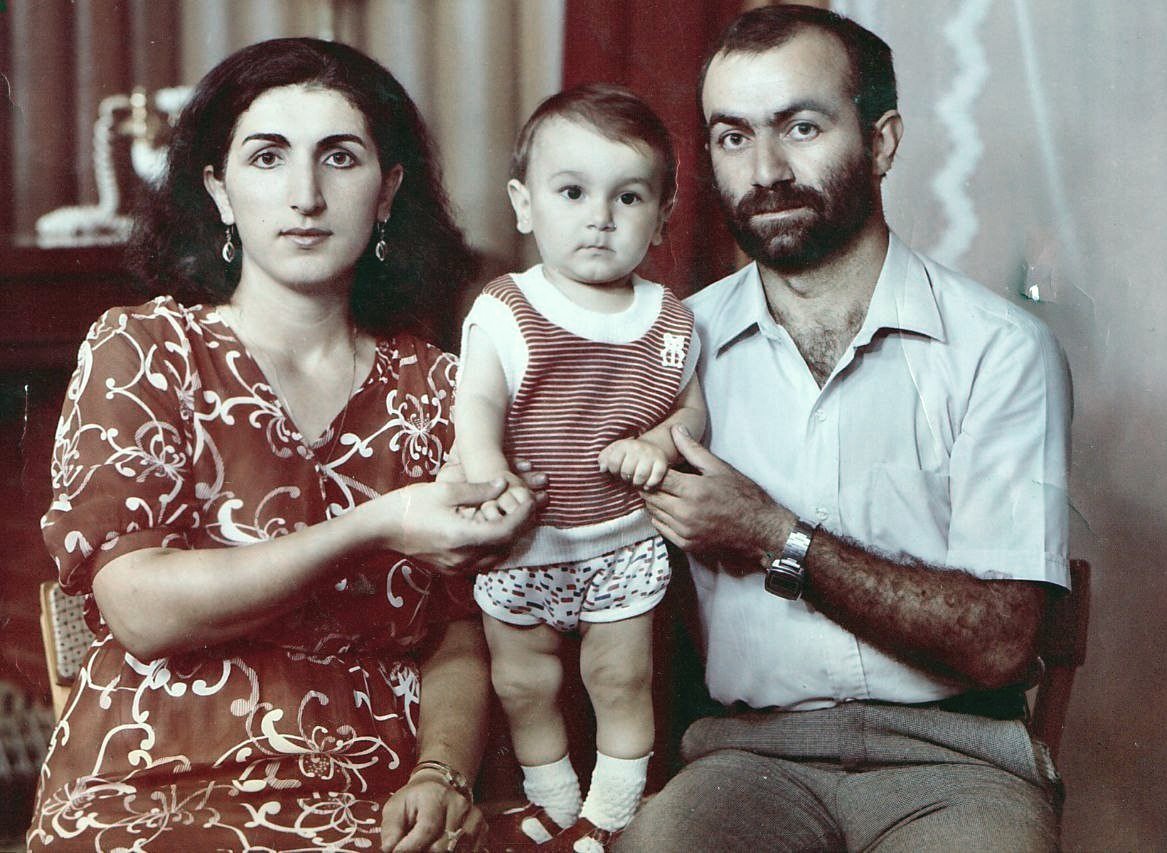
Fergana, 1988. A year later the whole people would leave Fergana too — a second time in one lifetime. These days in the calendar.
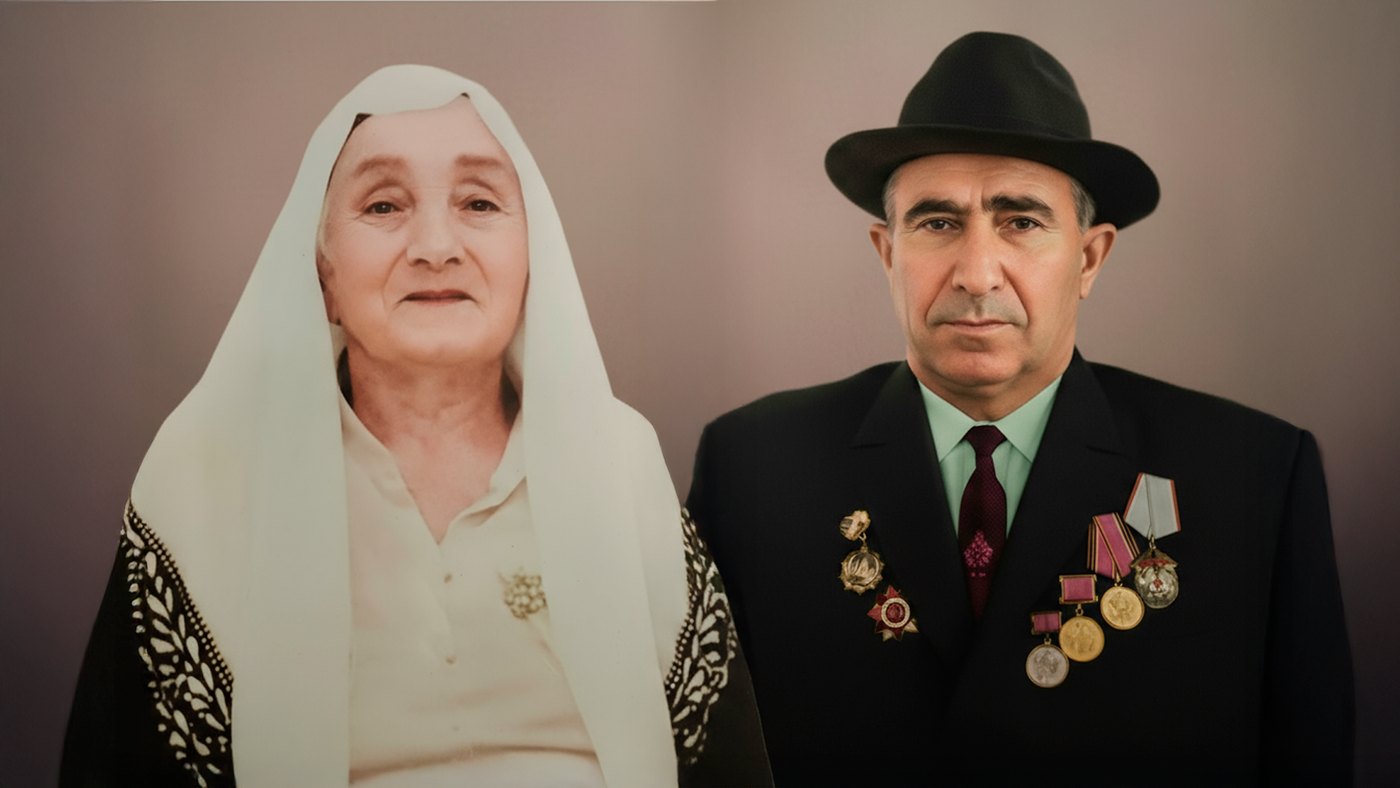
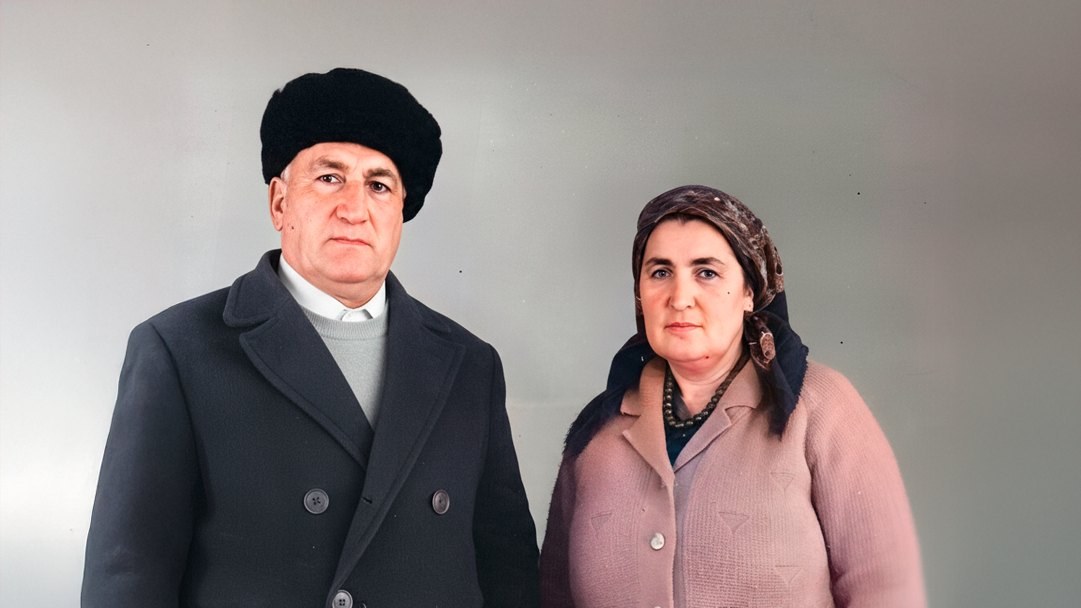
The founder’s grandmothers and grandfathers. Patronymics and years will be added from the family’s words. If you recognise any of them, write to us — this is how people find each other.
Этот проект я посвящаю своим бабушкам и дедушкам и всем туркам-ахыска, пережившим депортацию 1944 года.
Это не просто история прошлого — это память о боли, вере и силе народа, который сумел выжить, не потеряв свою душу.
В ноябре 1944 года десятки тысяч турок-ахыска были насильственно депортированы с родной земли. Их вырывали из домов ранним утром, сажали в товарные вагоны и неделями везли в неизвестность — в Среднюю Азию и другие регионы СССР.
Этот дом — попытка бережно и честно передать тот путь: от дождливых гор Ахыска до пыльных станций Средней Азии, от боли разлуки — до надежды и новой жизни.
Он основан на воспоминаниях семьи, исторических фактах и личной молитве за всех, кто прошёл этот путь.
На этих снимках — мой род: те, кого вывезли из Ахыска, и те, кто родился уже вдали от неё. Дорога у всех одна.
Fuadbey Kopadzefounder of ahiska.club
Türkçe
Bu projeyi, büyükannelerime ve büyükbabalarıma ve 1944 sürgününü yaşayan tüm Ahıska Türklerine adıyorum.
Bu sadece geçmişin bir hikâyesi değil; ruhunu kaybetmeden ayakta kalmayı başaran bir halkın acısının, imanının ve gücünün hatırasıdır.
Kasım 1944’te on binlerce Ahıska Türkü, zorla ata yurtlarından koparıldı. İnsanlar sabahın erken saatlerinde evlerinden çıkarıldı, hayvan taşımaya uygun vagonlara dolduruldu ve haftalarca bilinmeyene — Orta Asya’ya ve SSCB’nin uzak bölgelerine — sürüldü.
Bu ev, o yolu hassas ve dürüst bir şekilde anlatma çabasıdır: yağmurlu Ahıska dağlarından Orta Asya’nın tozlu istasyonlarına, ayrılığın acısından yeni bir hayata ve umuda uzanan bir yolculuk…
Bu fotoğraflarda benim soyum var: Ahıska’dan sürülenler ve ondan uzakta doğanlar. Yol hepsi için aynı.
How to help the home
What is needed most is not money. It is an elder’s voice recorded while it is still here, and one correction about your village. The archive is gathered from such small things.